
Why Maritime Assets
Own the infrastructure of global trade.
of global trade moves by sea. Energy, food, steel, infrastructure — none of it moves without ships.
The Maritime Advantage
Real Assets. Real Cash Flow.
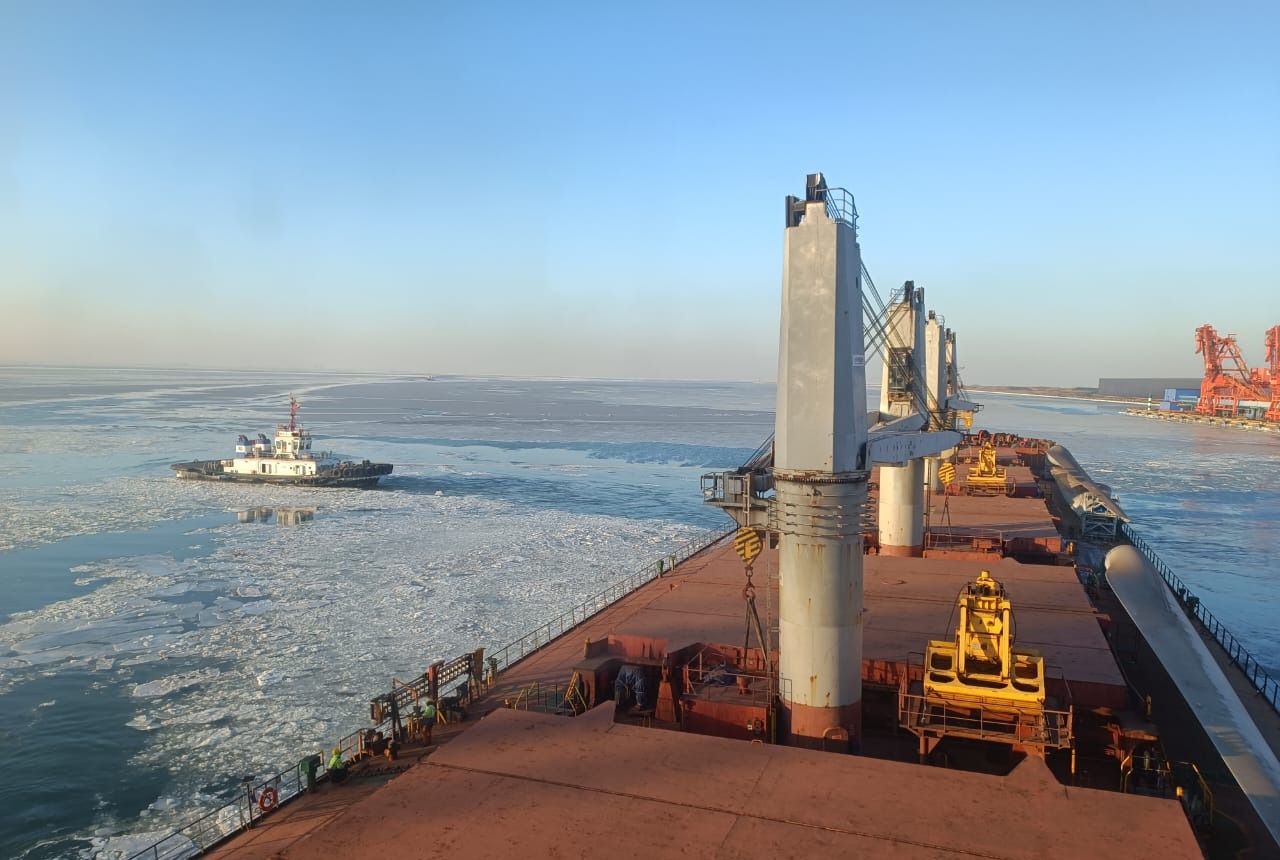
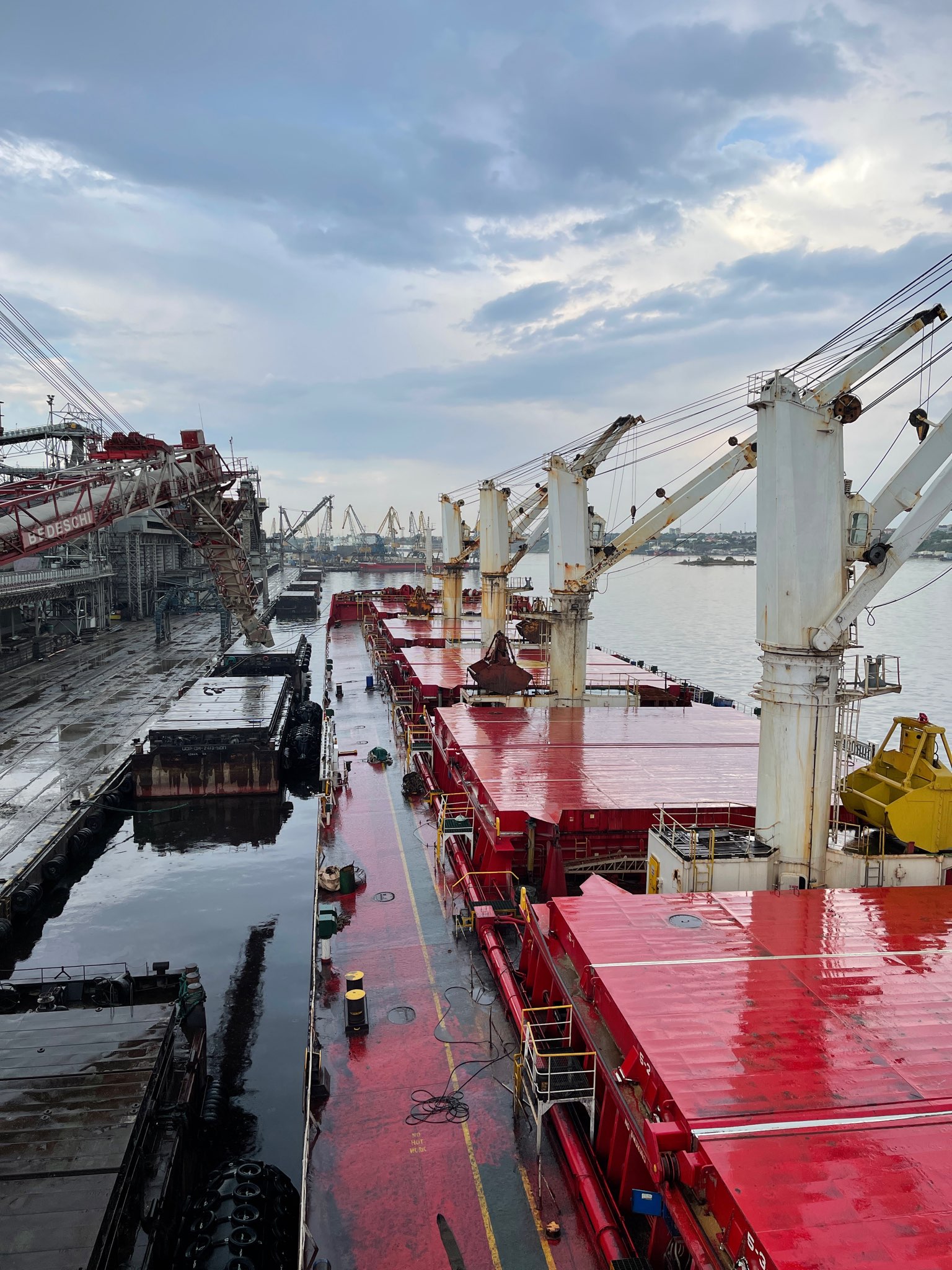
Shipping is a hard-asset business. Unlike financial assets, ships participate directly in the real economy — carrying the raw materials and goods the world depends on.
Market Dynamics
Cycles Create Opportunity
Shipping is cyclical — and that is the opportunity. Fleet growth is constrained by capital intensity, shipyard capacity, and regulation.
When supply tightens and demand shifts, earnings can reprice rapidly. Disciplined investors who understand the cycle can acquire assets at attractive valuations and benefit from both operating income and asset appreciation.
Active management unlocks value.
By timing entry and exit points within the shipping cycle, active management can generate returns beyond passive exposure to vessel ownership.
Infrastructure That Cannot Be Replaced Overnight
New vessel construction takes 2–3 years and requires significant capital. Aging fleets and tightening environmental regulations further constrain supply, creating structural tailwinds for well-positioned maritime asset portfolios.